


当您在选购防晒产品时,你一定关注过SPF、PA+、临界波长(CW)或Boots星级这些标识。这些看似简单的数字和符号,实际上是经过一系列严格、标准化测试得出的科学结论。
「防晒功效测试的国际标准体系」
目前行业普遍采用的标准包括:
·ISO 24444:防晒因子(SPF)的体内测定
·ISO 24442:UVA防护(UVA-PF)的体内测试方法
·ISO 24443:UVA防护(UVA-PF)的体外测试方法
·ISO 23675:防晒因子(SPF)的体外测定方法
·ISO 23698:用漫反射光谱法测量防晒效果
除了ISO标准外,行业还广泛采用COLIPA(现为Cosmetics Europe)指南和Boots Star Rating体系,这些标准为防晒产品的功效评价提供了完整的技术框架。
「测试方法分类与应用」
化妆品行业的防晒功效测试主要分为两大类:体内测试和体外测试。
体内测试:以人体为测试对象,直接在志愿者皮肤上评估防晒产品防止晒红(评估SPF值)或晒黑(评估PA等级)的能力。这种方法被认为是传统的“金标准",但对人体存在一定的损伤且可能有致癌的风险,而且存在成本高昂、周期长、受个体差异影响大等局限性。
体外测试:利用专业的实验室仪器,模拟紫外线对涂有样品的特定基材的照射过程,通过测量样品的紫外线透射率或吸光度,再经由公式和标准计算出防晒指数。
体外测试具有便捷、成本可控且不受人体变异因素影响等优势,正在成为研发和质量控制中重要的一环。
「防晒测试仪器:SPF-290AS紫外透过率/防晒指数分析仪」
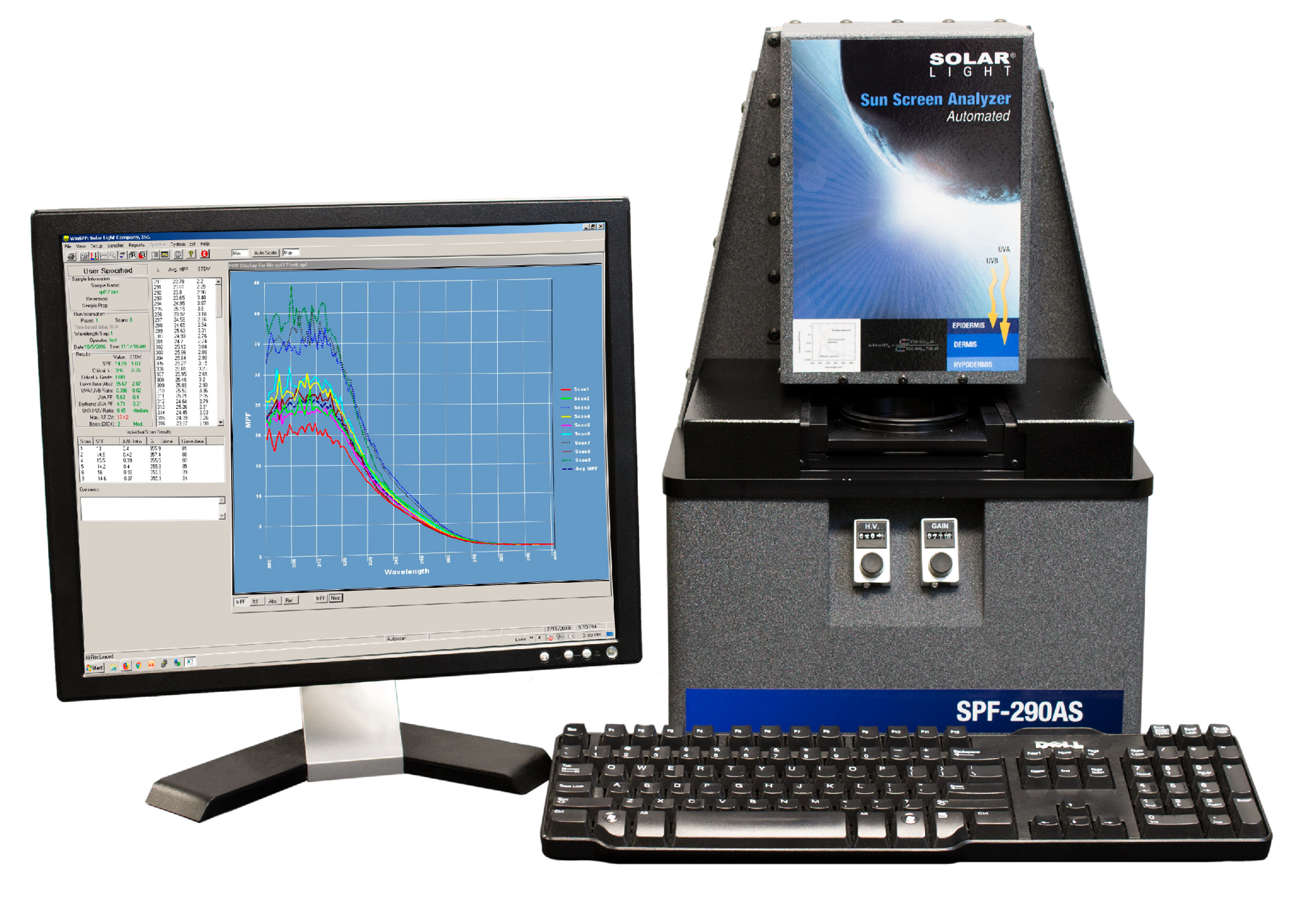
在体外测试中,SOLAR LIGHT的SPF-290AS紫外透过率/防晒指数分析仪,可用于防晒产品的功效测试。该仪器通过测量样品在紫外线波段的透射率来评估防晒效果。
SPF-290AS的光学系统采用功率稳定的150W无臭氧氙灯,配合光电倍增管(PMT)探测器,能够测量290nm~400n波长范围内的光信号变化。仪器配备的自动化X-Y样品平台可以实现多点定位和扫描,完成一次全波段测量的最短时间为24秒。
该仪器的测试方法符合ISO 23675、ISO 24443等国际标准要求,可以计算SPF、临界波长(CW)、UVA-PF等参数。软件支持用户根据需求调整测试参数。
在样品处理方面,对于乳液、膏霜等样品,可以使用注射器将样品涂布在特定粗糙度的PMMA板上进行测试;对于喷雾类产品,可以采用石英板作为测试载体。
「关于SPF-290AS,你可能想了解这些」
1)它的测试结果准吗?和体内实验对比怎么样?
它的准确性经过了大量验证。从长期的使用情况和客户反馈来看,仪器测量的结果与人体皮肤测试的结果非常接近。
2)SPF-290AS可以直接代替体内测试吗?
很遗憾,目前还不行。根据像美国FDA这样的法规要求,产品最终标注的SPF值必须基于体内测试。但SPF-290AS在配方筛选和优化环节能节省大量前期的时间和资金投入。
3)为什么是检测290~400nm这个范围?
这是防晒的标准范围。这个波长区间正好覆盖了紫外线中对我们皮肤有影响的UVA和UVB全部波段,是国际法规和科学界的计算防晒指数的基准。
4)SPF-290AS的光源有什么特别之处?
它采用连续紫外光源,尽可能模拟了真实的太阳光。这种设计更接近体内测试的环境和我们在户外接触到的日光,使得测量结果更具实际参考意义。
5)测出来的数据方便做进一步分析吗?
非常方便。仪器的SPF数据采用标准ASCII格式存储,常用软件如Excel、Access都可读取。
6)该怎么涂抹样品呢?
操作流程很直观:先对专用的测试板(如PMMA板)进行一次“空白"测量作为基准。然后,将定量的防晒产品以点涂的形式均匀涂开在板上,形成一层厚度一致的薄膜。WinSPF软件的在线帮助栏目详细说明了操作步骤。
7)仪器工作时会产生有害的臭氧吗?
针对设备可能产生臭氧的疑问,进行了严格的验证。尽管部分电子设备在运行时确实会产生微量臭氧,但SPF-290AS分析仪所产生的臭氧浓度,低于当前已知的任何测试方法的检测下限。
使用Lab Safety Supply的专业臭氧检测工具(具体货号为1A-5155-6和1A-5154-6)进行了实际测试。测试过程中,技术人员让设备连续运行数小时,并在其旁边进行监测,检测工具均未显示出存在臭氧的反应。
需要说明的是,此次所用检测工具的灵敏度为:在15分钟的检测周期内,可检测到0.1ppm的臭氧。测试结果远低于此限值,充分证明了设备使用的安全性。
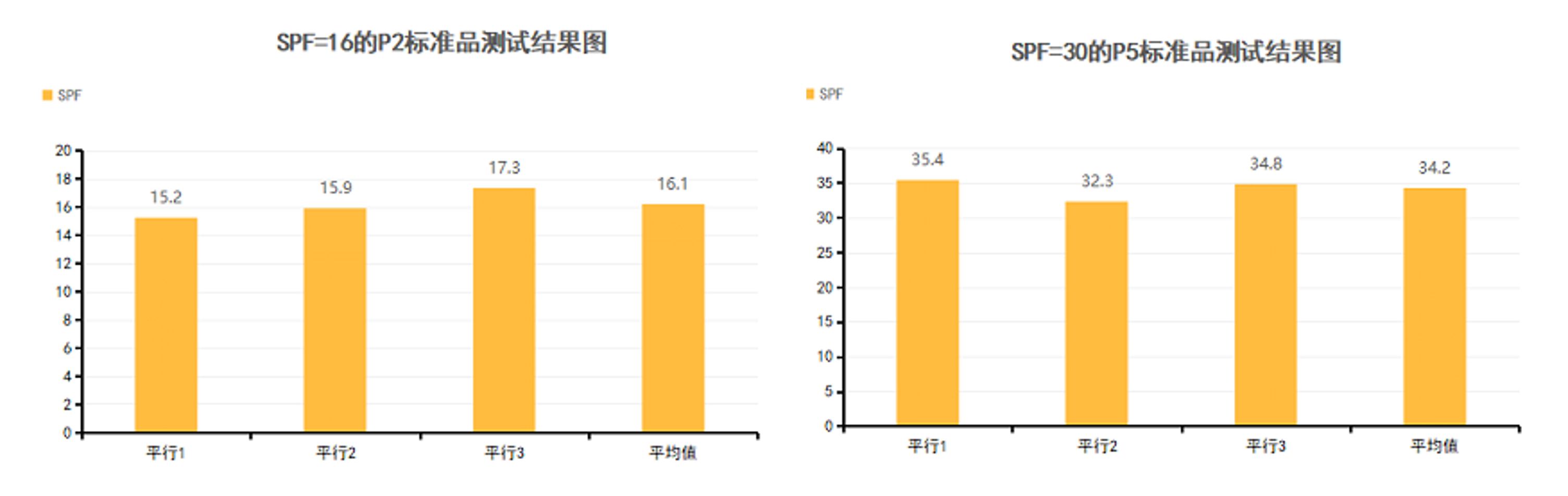
上海微谱检测使用SPF-290AS进行了测试:使用两个防晒标准品进行方法验证,测试结果均符合SPF标准品要求范围
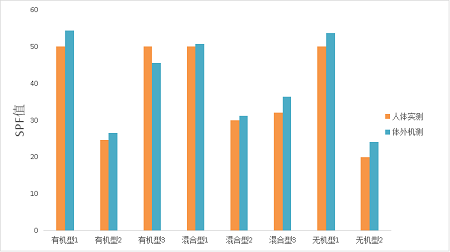
上海微谱检测使用SPF-290AS进行了测试:不同类型得防晒产品体内、体外检测的一致性较好
「测试仪器的应用价值」
在化妆品研发过程中,使用SPF-290AS这类仪器可以帮助研发人员测试不同配方的防晒性能,为配方优化提供数据支持。
在生产质量控制环节,通过对产品进行定期测试,可以确保不同批次产品防晒效果的稳定性。基于仪器测试获得的数据,可以为产品功效宣称提供技术支持,有助于企业应对市场监督和质量审核。
「结语」
防晒功效的测试需要遵循科学的方法和标准规范。从体内测试到体外测试,国际标准体系为防晒产品的功效评价提供了完整的技术框架。SOLAR LIGHT的SPF-290AS提供了一种技术选择,可以用于防晒产品的研发和质量控制。
作为Solar Light的合作伙伴,我们致力于为化妆品行业提供防晒检测技术支持。如需了解更详细的仪器信息或测试方法,欢迎与我们联系!
How is Sun Protection Factor (SPF) Measured? Understanding International Standards and Testing Instruments
When selecting sun protection products, you have likely noticed labels such as SPF, PA+, Critical Wavelength (CW), or Boots Star Rating. These seemingly simple numbers and symbols are, in fact, scientific conclusions derived from a series of rigorous and standardized tests.
「International Standard System for Sun Protection Efficacy Testing」
The standards currently widely adopted in the industry include:
·ISO 24444: In vivo determination of sun protection factor (SPF)
·ISO 24442: In vivo UVA protection (UVA-PF) test method
·ISO 24443: In vitro UVA protection (UVA-PF) test method
·ISO 23675: In vitro determination of sun protection factor (SPF)
·ISO 23698: Measurement of sunscreen efficacy by diffuse reflectance spectroscopy
In addition to ISO standards, the industry also widely adopts the COLIPA (now Cosmetics Europe) guidelines and the Boots Star Rating system. These standards provide a complete technical framework for evaluating the efficacy of sun protection products.
「Classification and Application of Testing Methods」
Sun protection efficacy testing in the cosmetics industry is mainly divided into two categories: in vivo testing and in vitro testing.
In vivo testing: Uses human subjects to directly evaluate the ability of a sun protection product to prevent sunburn (assessing SPF value) or tanning (assessing PA grade) on volunteers' skin. This method is considered the traditional "gold standard." However, it poses some potential harm and carcinogenic risk to humans, along with limitations such as high cost, long cycles, and significant influence from individual variations.
In vitro testing: Utilizes specialized laboratory instruments to simulate the process of ultraviolet (UV) radiation on specific substrates coated with the sample. The sun protection factor is calculated via formulas and standards by measuring the sample's UV transmittance or absorbance.
In vitro testing offers advantages such as convenience, controllable costs, and freedom from human variability factors. It is becoming an indispensable part of research & development and quality control.
「Sun Protection Testing Instrument: Model SPF-290AS Automated UV Transmittance / SPF Analyzer」
In in vitro testing, SOLAR LIGHT's SPF-290AS (Automated UV Transmittance / SPF Analyzer) can be used for efficacy testing of sun protection products. This instrument evaluates sun protection effectiveness by measuring the sample's transmittance in the ultraviolet wavelength band.
The optical system of the SPF-290AS uses a 150W ozone-free xenon lamp with stable power output, coupled with a photomultiplier tube (PMT) detector, capable of measuring light signal changes in the 290nm to 400nm wavelength range. The instrument's automated X-Y sample stage enables multi-point positioning and scanning, with a minimum time of 24 seconds to complete a full spectrum measurement.
The testing methodology of this instrument complies with international standard requirements such as ISO 23675 and ISO 24443, and can calculate parameters like SPF, Critical Wavelength (CW), and UVA-PF. The software allows users to adjust testing parameters as needed.
Regarding sample handling, for samples like emulsions and creams, a syringe can be used to apply the sample onto a PMMA plate with specific roughness for testing. For spray products, a quartz plate can be used as the test substrate.
「Things You Might Want to Know About the SPF-290AS」
1) How accurate are its test results? How do they compare to in vivo tests?
Its accuracy has been extensively validated. Based on long-term usage and customer feedback, the results measured by the instrument are very close to those from human skin tests.
2) Can the SPF-290AS completely replace in vivo testing?
Unfortunately, not yet. According to regulatory requirements like those from the U.S. FDA, the final labeled SPF value of a product must be based on in vivo testing. However, the SPF-290AS can save significant upfront time and financial investment during the formulation screening and optimization stages.
3) Why is the detection range 290~400nm?
This is the standard range for sun protection testing. This wavelength interval precisely covers both UVA and UVB bands of ultraviolet radiation that affect our skin. It is the baseline recognized by international regulations and the scientific community for calculating sun protection factors.
4) What is special about the SPF-290AS light source?
It uses a continuous UV light source, simulating real sunlight as closely as possible. This design more closely resembles the environment of in vivo testing and the sunlight we are exposed to outdoors, making the measurement results more practically meaningful.
5) Is the measured data convenient for further analysis?
Very convenient. The instrument's SPF data is stored in standard ASCII format, readable by common software like Excel and Access.
6) How should the sample be applied?
The procedure is straightforward: First, perform a "blank" measurement on the dedicated test plate (e.g., PMMA plate) as a baseline. Then, evenly spread a quantified amount of the sun protection product in a dotted pattern on the plate to form a film of consistent thickness. The online help section of the WinSPF software details the operating steps.
7) Does the instrument produce harmful ozone during operation?
Rigorous verification was conducted regarding concerns about potential ozone generation. While some electronic devices can produce trace amounts of ozone during operation, the ozone concentration generated by the SPF-290AS analyzer is below the detection limit of any currently known testing method.
Practical tests were performed using professional ozone detection tools from Lab Safety Supply (specific catalog numbers: 1A-5155-6 and 1A-5154-6). During testing, technicians operated the device continuously for several hours while monitoring beside it. The detection tools showed no indication of ozone presence.
It should be noted that the sensitivity of the detection tools used is: they can detect 0.1 ppm of ozone within a 15-minute detection cycle. The test results were well below this limit, fully demonstrating the safety of the device.
Shanghai Weipu Testing used the SPF-290AS to conduct testing: two sunscreen standards were used for method validation, and the test results of both met the required range for SPF standards.
Shanghai Weipu Testing used the SPF-290AS to conduct testing: the consistency between in vivo and in vitro testing for different types of sunscreen products was good.
「Application Value of Testing Instruments」
During cosmetic product development, using instruments like the SPF-290AS can help R&D personnel test the sun protection performance of different formulations, providing data support for formulation optimization.
In production quality control, regular testing of products can ensure the stability of sun protection efficacy across different batches. Data obtained from instrument-based testing provides technical support for product efficacy claims, helping companies respond to market supervision and quality audits.
「Conclusion」
Testing sun protection efficacy requires adherence to scientific methods and standard specifications. From in vivo to in vitro testing, the international standard system provides a complete technical framework for evaluating the efficacy of sun protection products. SOLAR LIGHT's SPF-290AS offers a technological option that can be used in the research, development, and quality control of sun protection products.
As a partner of Solar Light, we are committed to providing technical support for sun protection testing to the cosmetics industry. If you need more detailed information about the instrument or testing methods, please feel free to contact us!
上一篇:同位素分析仪核心功能与性能指标
下一篇:植被荧光如何预测小麦产量?
 客服热线:400-688-7769
 邮箱:market@exponentsci.com
 固话:020-89858550
 地址:广州市天河区广汕二路602号惠诚大厦B座403房
扫一扫 微信咨询
©2026 爱博能(广州)科学技术有限公司 版权所有 备案号:粤ICP备20046466号 技术支持:化工仪器网 Sitemap.xml 总访问量:147855 管理登陆
